
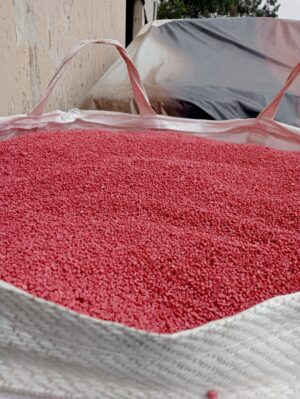
Polypropylene (PP) Pellets: Detailed Description
1. Introduction
Polypropylene (PP) pellets are small, uniform granules made from polypropylene, a thermoplastic polymer widely used in various industries due to its excellent mechanical, chemical, and thermal properties. These pellets serve as the raw material for manufacturing a wide range of plastic products through processes like injection molding, extrusion, blow molding, and thermoforming.
2. Physical and Chemical Properties
PP pellets are known for their outstanding physical and chemical characteristics, making them suitable for diverse applications.
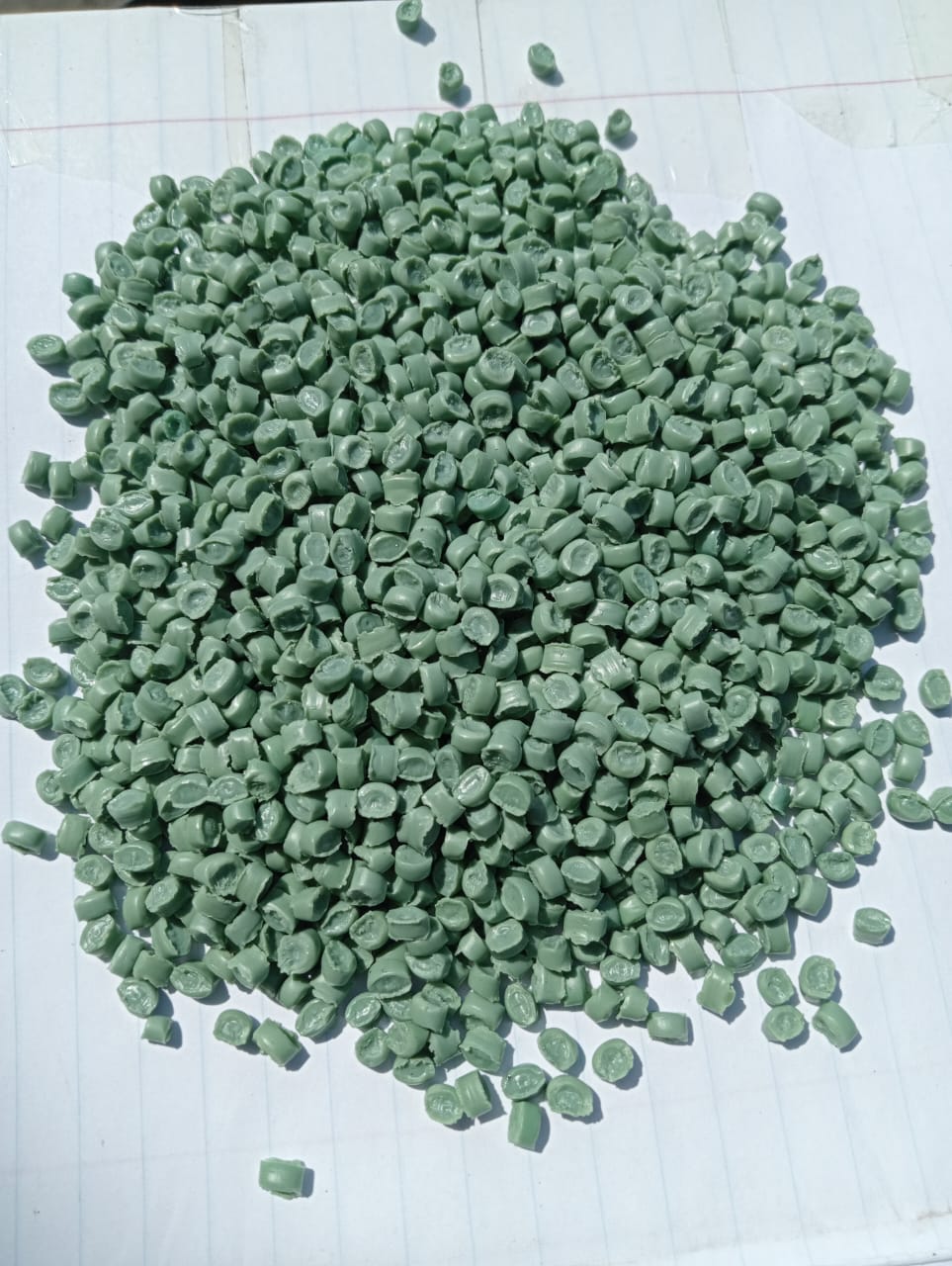
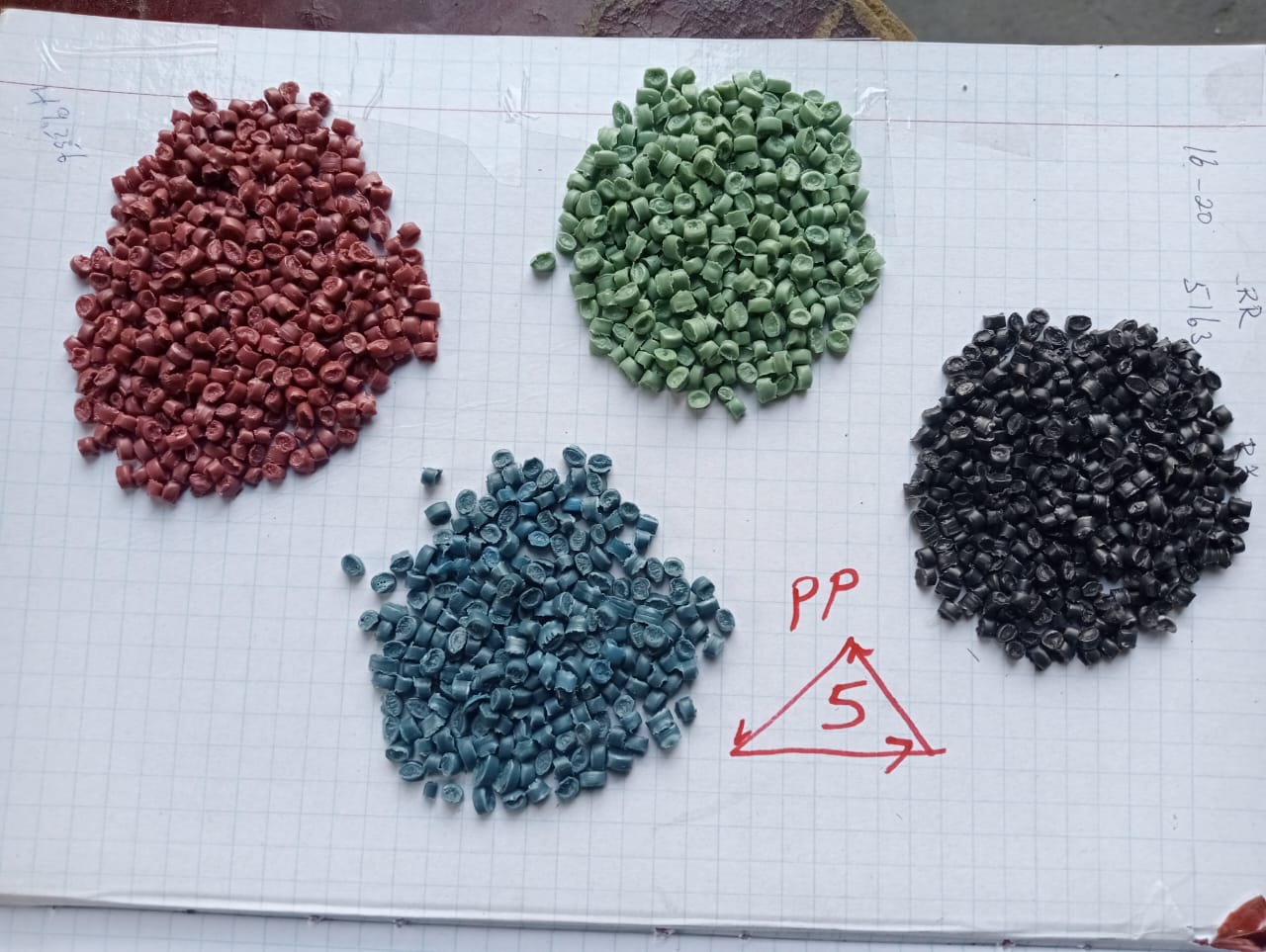
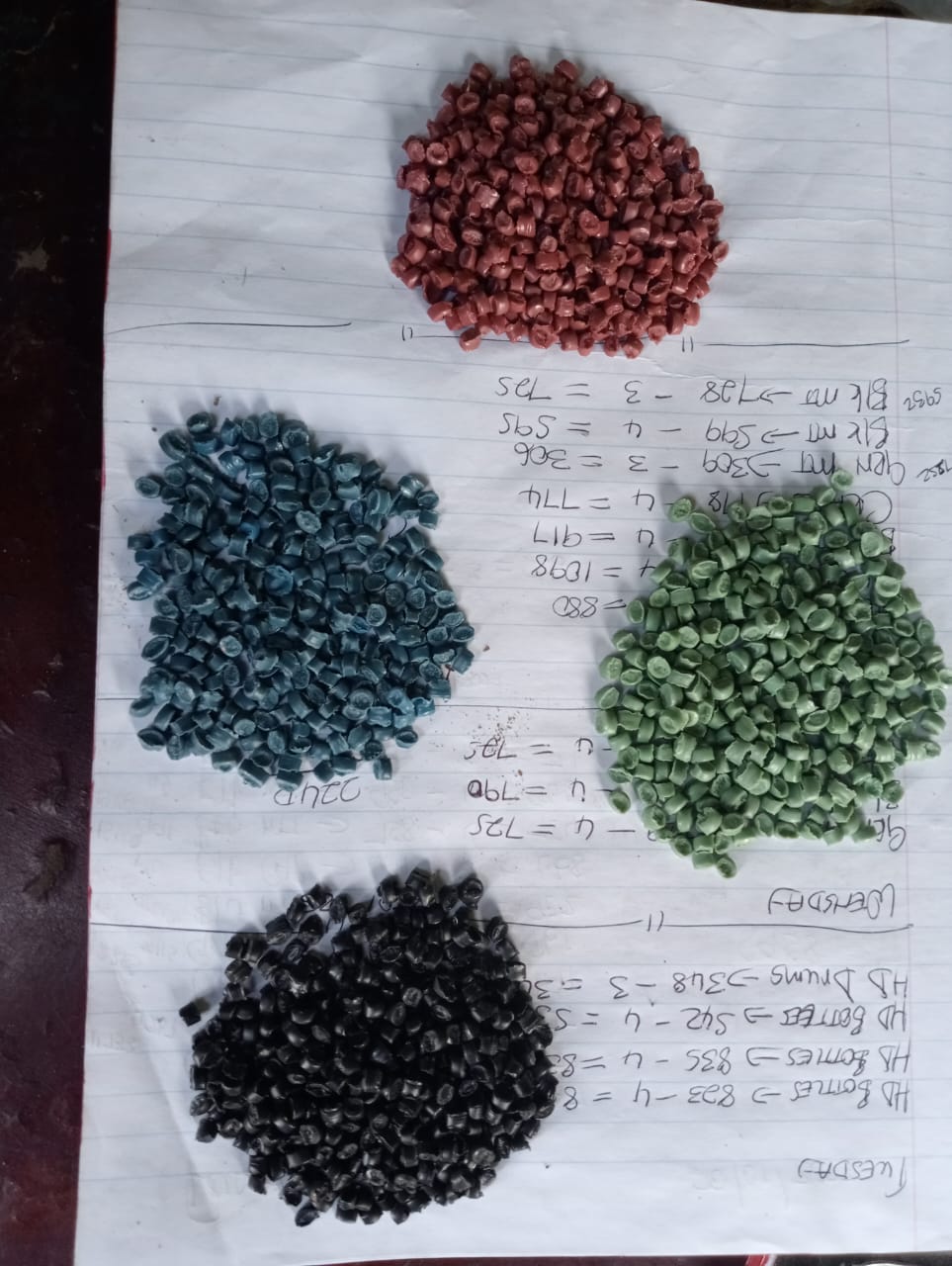
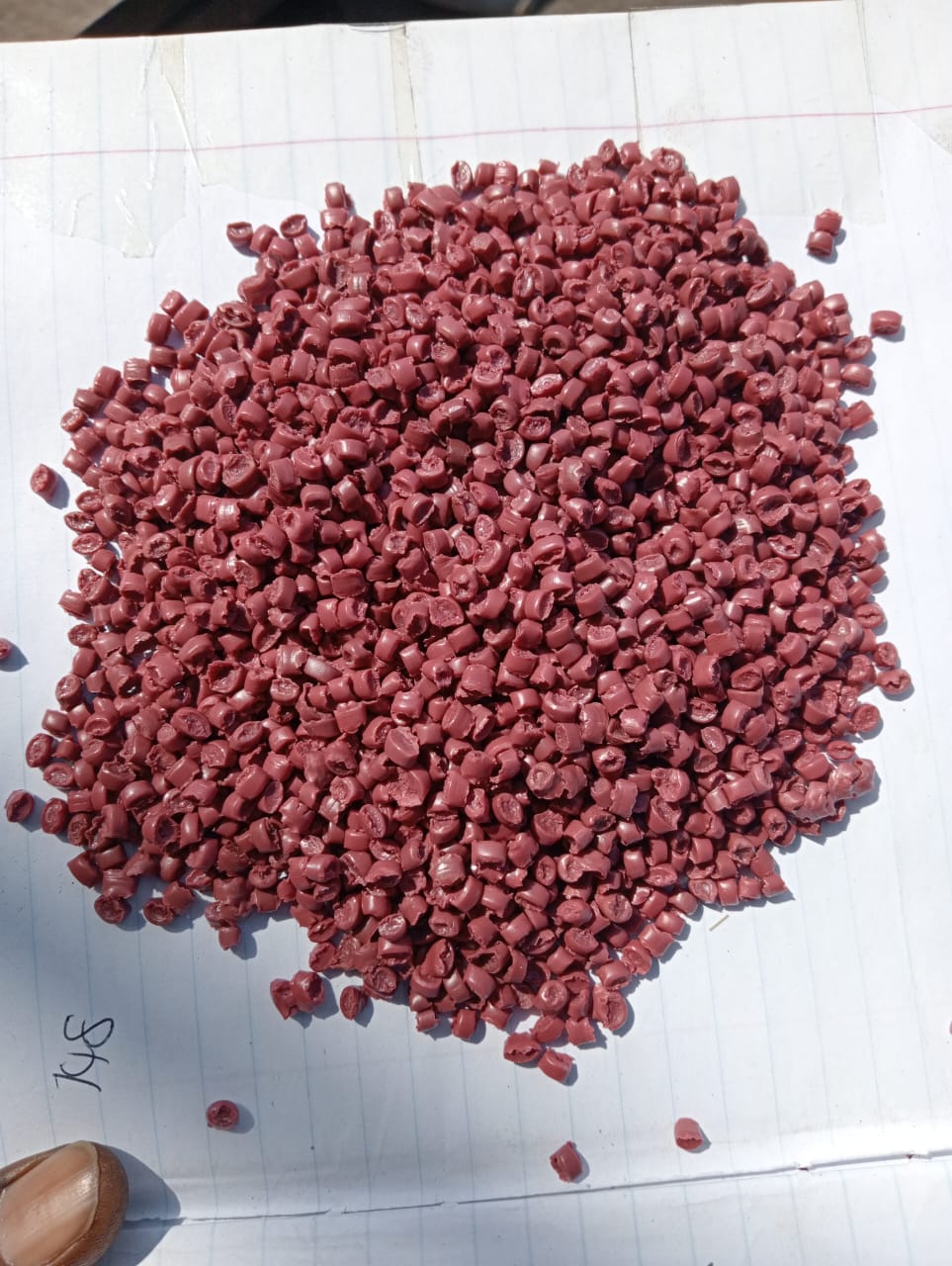
- Appearance: Small, cylindrical or spherical granules, typically white or translucent, but can be colorized with additives.
- Molecular Structure: Semi-crystalline polymer with a high degree of crystallinity, contributing to its strength and stiffness.
- Density: Approximately 0.90 – 0.91 g/cm³, making it one of the lightest thermoplastics.
- Melting Point: Ranges between 130°C to 171°C, depending on the grade and additives used.
- Moisture Absorption: Low water absorption (<0.01%), ensuring stability in humid environments.
- Chemical Resistance: Resistant to acids, bases, and organic solvents, making it ideal for chemical packaging.
3. Types of PP Pellets
Polypropylene pellets are categorized based on their molecular structure and intended applications:
- Homopolymer PP Pellets:
- High stiffness, excellent mechanical strength, and superior chemical resistance.
- Used in packaging, textiles, automotive parts, and medical components.
- Copolymer PP Pellets:
- Further classified into Random Copolymer PP (more transparent, better impact resistance) and Block Copolymer PP (high toughness and durability).
- Ideal for flexible packaging, piping, and household goods.
- Recycled PP Pellets:
- Made from post-industrial or post-consumer polypropylene waste.
- Cost-effective and environmentally friendly, used in non-critical applications like furniture and construction materials.
4. Manufacturing Process of PP Pellets
The production of polypropylene pellets involves several key stages:
- Polymerization:
- Propylene gas undergoes polymerization using Ziegler-Natta or metallocene catalysts in a reactor.
- Pelletization:
- The molten polymer is extruded through a die and cut into small granules using a hot or cold cutting method.
- Cooling & Drying:
- The freshly cut pellets are cooled with water or air and then dried to remove any moisture.
- Screening & Packaging:
- The pellets are screened for uniformity, sorted by grade, and packed for distribution.
5. Applications of PP Pellets
PP pellets are widely used across multiple industries due to their versatility and cost-effectiveness.
- Packaging Industry:
- Food containers, bottles, caps, and film wraps.
- Automotive Industry:
- Bumpers, dashboards, interior trim parts, and battery cases.
- Textile Industry:
- Non-woven fabrics, ropes, and carpets.
- Medical & Healthcare:
- Syringes, medical trays, and pharmaceutical packaging.
- Construction & Infrastructure:
- Pipes, sheets, and insulation materials.
6. Advantages of PP Pellets
- Lightweight & Strong: Excellent strength-to-weight ratio.
- Chemical & Heat Resistant: Suitable for high-temperature and harsh chemical environments.
- Recyclable & Sustainable: Can be reused and reprocessed, reducing plastic waste.
- Cost-Effective: Affordable compared to other engineering plastics.
- Good Processability: Easily moldable with various manufacturing techniques.
7. Storage & Handling
- Store in a dry, cool place away from direct sunlight to prevent degradation.
- Avoid exposure to extreme temperatures or moisture to maintain pellet quality.
- Use proper ventilation during processing to avoid inhaling polymer fumes.
Conclusion
Polypropylene (PP) pellets are essential in the modern plastic industry due to their superior properties, cost-effectiveness, and versatility. Whether in packaging, automotive, medical, or construction applications, PP pellets play a crucial role in creating durable, lightweight, and sustainable plastic products.
Reviews
There are no reviews yet.