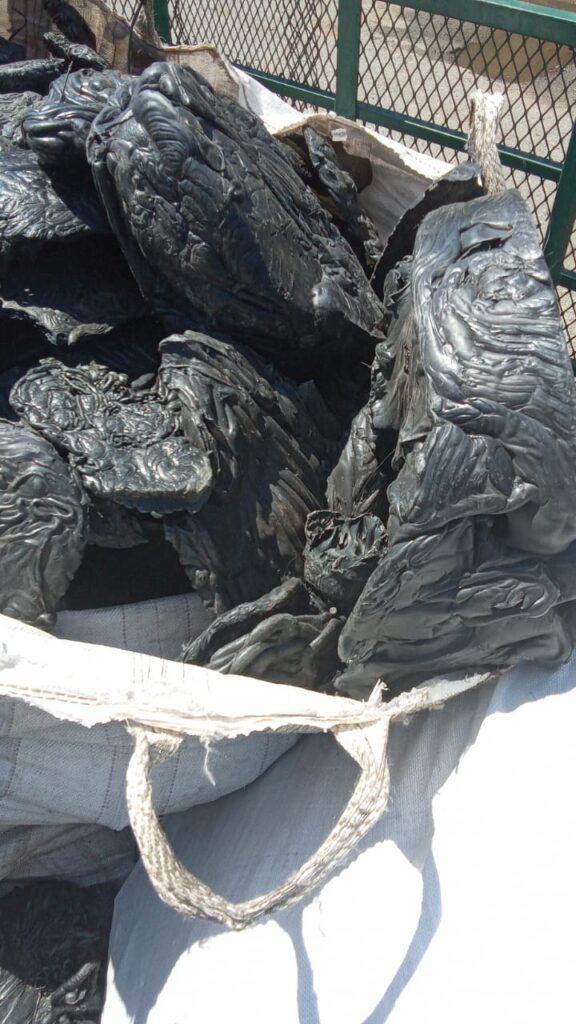
HDPE Lumps: An Essential Raw Material for Recycling
What Are HDPE Lumps?
HDPE (High-Density Polyethylene) lumps are solid plastic waste materials that originate from industrial processes, such as extrusion, injection molding, or blow molding. These lumps are typically formed due to production overruns, molding defects, or excess molten plastic solidifying during the manufacturing process. Instead of being discarded as waste, HDPE lumps are valuable raw materials for recycling and reprocessing into high-quality plastic pellets.
Characteristics of HDPE Lumps
- Material Composition: 100% High-Density Polyethylene (HDPE), known for its strength, rigidity, and durability.
- Appearance: Irregularly shaped solid pieces, varying in size and thickness.
- Density: Typically ranges between 0.940 – 0.970 g/cm³, ensuring high mechanical strength.
- Chemical Resistance: Excellent resistance to chemicals, moisture, and UV exposure.
- Melting Point: Around 120°C to 135°C, making it ideal for reprocessing.
- Recyclability: Easily shredded and reprocessed into HDPE pellets for reuse in manufacturing.
Sources of HDPE Lumps
HDPE lumps are generated in various industries, including:
- Plastic Manufacturing Plants: Resulting from excess plastic in molding and extrusion processes.
- Packaging Industry: Offcuts and rejected materials from bottle and container production.
- Automotive Industry: Leftover plastic from component molding.
- Pipe & Construction Industry: Scrap from HDPE pipe and sheet manufacturing.
Recycling Process of HDPE Lumps
HDPE lumps are highly valuable in the plastic recycling industry. The process involves:
- Collection & Sorting: Industrial HDPE waste lumps are gathered and sorted based on quality and color.
- Shredding: The lumps are broken down into smaller flakes using industrial shredders.
- Cleaning & Processing: The material is washed to remove contaminants before melting.
- Extrusion & Pelletization: The shredded HDPE is melted and reformed into high-quality HDPE pellets for reuse.
Applications of Recycled HDPE Lumps
Once processed into pellets, recycled HDPE is widely used in various industries, including:
- Injection Molding: Used for automotive parts, crates, and industrial containers.
- Blow Molding: Production of bottles, jerrycans, and fuel tanks.
- Pipe Manufacturing: HDPE pipes for construction, irrigation, and plumbing.
- Consumer Goods: Recycled HDPE is used in furniture, bins, and storage solutions.
Why Recycle HDPE Lumps?
- Environmental Sustainability: Reduces landfill waste and promotes a circular economy.
- Cost-Effective: Saves manufacturers money by providing an affordable alternative to virgin HDPE.
- High Quality & Performance: Recycled HDPE retains its original strength and durability.
- Energy Efficient: Recycling HDPE consumes less energy compared to producing new plastic.
Conclusion
HDPE lumps are a valuable resource in the plastic recycling industry, offering a sustainable and cost-effective way to repurpose industrial waste. At Joli Recyclers, we specialize in sourcing, processing, and converting HDPE lumps into high-quality recycled pellets, helping manufacturers reduce costs while supporting a greener planet.
📞 Contact Us Today!